

Welcome to our newsletter, dear reader,
• As our first new library addition this month, we present A Garland of Forgotten Goddesses: Tales of the Feminine Divine From India and Beyond. This excellent collection draws from sources which while little known outside the Indosphere, are intimately related to a myriad local and transnational devotional practices and cultural manifestations.
The book’s title is not only a tribute to this metaphor in Indian literature; the image also aptly describes the mechanism of religious change that each goddess undergoes throughout her history. She often starts as a local deity or the focus of a Tantric sect, here represented by the symbol of an individual flower. Her popularity then grows and her status is raised by the claim that she is really a form of a more famous pan-Indian goddess. This process of linking a local goddess with a transregional one is like the string of a garland that holds the individual parts together while also subsuming the individual identity of each flower under the unified whole of the garland.
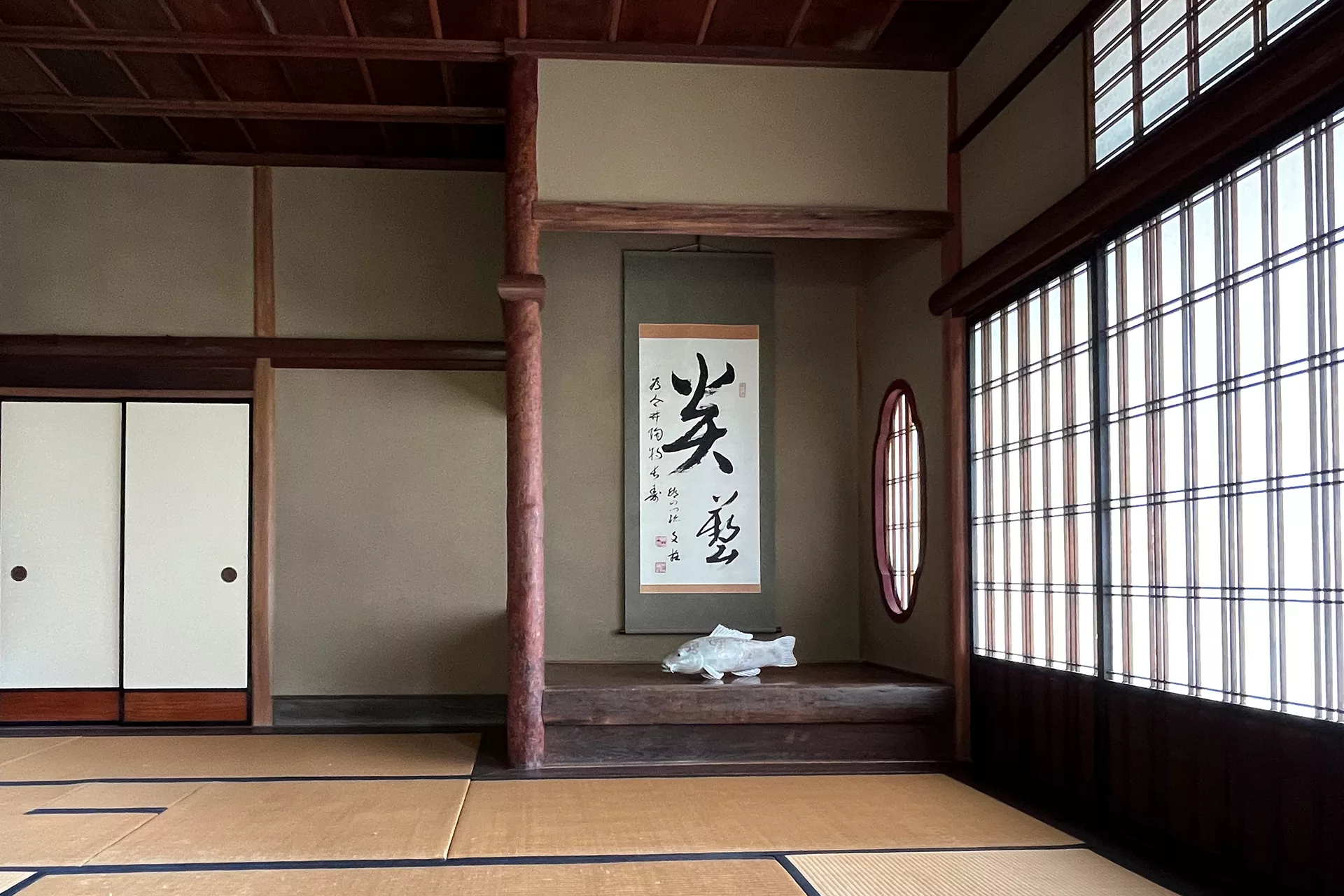
• Next, we present an edition of Jun’ichiro Tanizaki’s famous In Praise of Shadows. This contemplative booklet is a series of personal meditations on the essential character and the depth of traditional Japanese aesthetics. Written in the early twentieth century, it is also a poignant testimony to the disappearance of traditional culture, and a subtle, at times playful, invitation to dim the lights and “be totally submerged in silence, as if gifted by the darkness with an immutable and eternal tranquility.”
If one attends a Buddhist rite at one of the historic temples that follow the traditional style, one will notice how well the gold harmonizes with the wrinkled skin of the elderly priest in the flickering light of the candle offerings, and how it brings solemnity to the occasion. As with lacquerware, most of the gaudy pattern is concealed in the darkness, and the gleam of the gold and silver threads appears only now and then, in brief, fleeting moments.
• And we complete our selection with a salutary chapter “On Arrogance and Humility” by the 16th-century Ottoman scholar, Imam Birgivi, full of lesser-known references from the hadith collections and Sufi masters.
We do not even know our faults, yet we count our every little deed as if it were a great achievement. The unknown is always infinitely greater than the known. May Allah protect us, but our unknown wrongs, unadmitted by us, may by their weight pull us to the depths. There we may end up sharing the punishment of those who were chased from the mercy of Allah. When one reasons this way, indeed one should feel humble.
Arabic readers may be interested in the website of Turath Wahid (The One Tradition), an Egypt-based publisher who recently completed the publication of most works of René Guénon (Shaykh Abd al-Wahid Yahya) and Frithjof Schuon (Shaykh ‘Isa Nur al-Din) in Arabic. The top-quality PDFs of these works, and also classics like the Tao Te Ching and the Dhammapada, are all available for free.